

Bookkeeping can be manageable for beginners, especially with the help of modern accounting bookkeeping software and basic training. Many people start with simple data entry tasks and build up to more advanced responsibilities like generating reports or managing payroll. With consistent practice and the right tools, bookkeeping skills can grow quickly.
Are bookkeepers in high demand?
Afterward, build job-ready skills in bookkeeping with the Intuit Academy Bookkeeping Professional Certificate. If you have a small business, the bookkeeper may also be in charge of payroll and other human resources functions. They can help process paychecks and tax payments to employees and perform other related functions. If this excites you and you wish to polish your existing skillset with new age tools, check out our Accounting Made Easy course. It builds upon the fundamentals of bookkeeping and takes you onwards in your journey of becoming a successful professional accountant.
Stay updated with the Sage Expense Management newsletter
- Their work ensures business owners and managers have reliable data to make strategic decisions, such as budgeting, forecasting, and identifying cost-saving opportunities.
- Overall, investing in certification shows a commitment to professional development and can set you apart from others in the field.
- Microsoft Office (Word, Excel, etc.) is widely used in office settings.
- Bookkeepers play a crucial role in managing finances efficiently and enable informed business decisions by utilizing synonyms to make complex financial terms accessible.
- By keeping organized records throughout the year and reconciling accounts promptly, bookkeepers save owners countless hours and headaches when it’s time to work with an accountant.
- In fact, QuickBooks Advanced continuously saves your records in the background, so you can restore data to a specific point if needed.
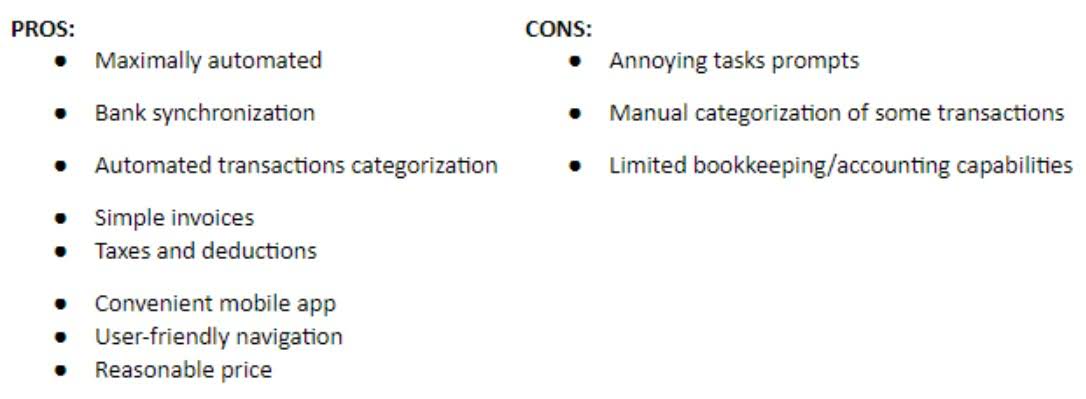
With the advent of digitalization, software like Quick Books and Sage now automatically sort data as per their respective ledgers. Therefore, the modern bookkeeper does not need to manually categorize transactions. The bookkeeper will also shift the remaining transactions to the purchase ledger (expense account), https://abiproperti.com/2024/10/30/accounts-payable-turnover-ratio-formula-example-2/ wages ledger (expense account) and accounts payable ledger (liability account). Once these transactions are recorded in the general journal, from there they will be transferred to the general ledgers also called T- Accounts.
Keep your personal and business finances separate
Because bookkeeping involves the creation of financial reports, you will have access to information that provides accurate indicators of measurable success. By having access to this data, businesses of all sizes and ages can make strategic plans and develop realistic objectives. Bookkeepers keep records of every financial transaction, including payments, retained earnings balance sheet purchases, and income.
But most regard Luca Pacioli as the father of bookkeeping, for his 1494 book Review of what is a bookkeeper Arithmetic, Geometry, Ratio and Proportion. It’s a skill used in large and small companies, and bookkeepers are needed in almost every business and industry. To make the topic of Bookkeeping even easier to understand, we created a collection of premium materials called AccountingCoach PRO.
- The bookkeeper position is intended to be a freestanding position where there is no more senior person in the accounting department, so reporting to the owner makes the most sense.
- By helping you base your decisions on sound financial data, the right bookkeeping system can help your small business thrive.
- No assurance is given that the information is comprehensive in its coverage or that it is suitable in dealing with a customer’s particular situation.
- Types of BookkeepersThere are various types of bookkeepers who specialize in specific areas based on the industry or the nature of the organization they work for.
- Bookkeepers can finally say goodbye to the age of frustration of missing receipts and delayed bank statements.
All sales and purchases are done electronically hence there is no need to maintain manual records. Nonetheless, they have hired a bookkeeper to process their business affairs and maintain employee payrolls. Single-entry bookkeeping simply involves you recording incomes and expenses. Whereas double-entry bookkeeping follows the principles of debits and credits. So, it is imperative for any company to keep a detailed record of all its transactions. Later, these transactional records allow management to decide how well the business is doing and to determine areas for improvement.

A bookkeeper organizes your business’s finances and records every transaction accurately and consistently. They manage the daily finances so you can see the big picture and focus more on running and growing your business. When running a business, you can’t keep a count that where your money is going. Understanding the financial records is becoming essential to making right decisions.
Whereas, an Accountant will handle larger scale ideas while making decisions regarding the financial future of a business. Bookkeeping traditionally refers to the day-to-day upkeep of a business’s financial records. Bookkeepers used to simply gather and quality-check the information from which accounts were prepared. But their role has expanded over time, and we’ll look at how in the next chapter. This ensures that each transaction, whether income or expenditure, is accurately entered into ledgers or accounting software. This practice is essential to provide stakeholders with clear insight into the financial position and performance of the business.